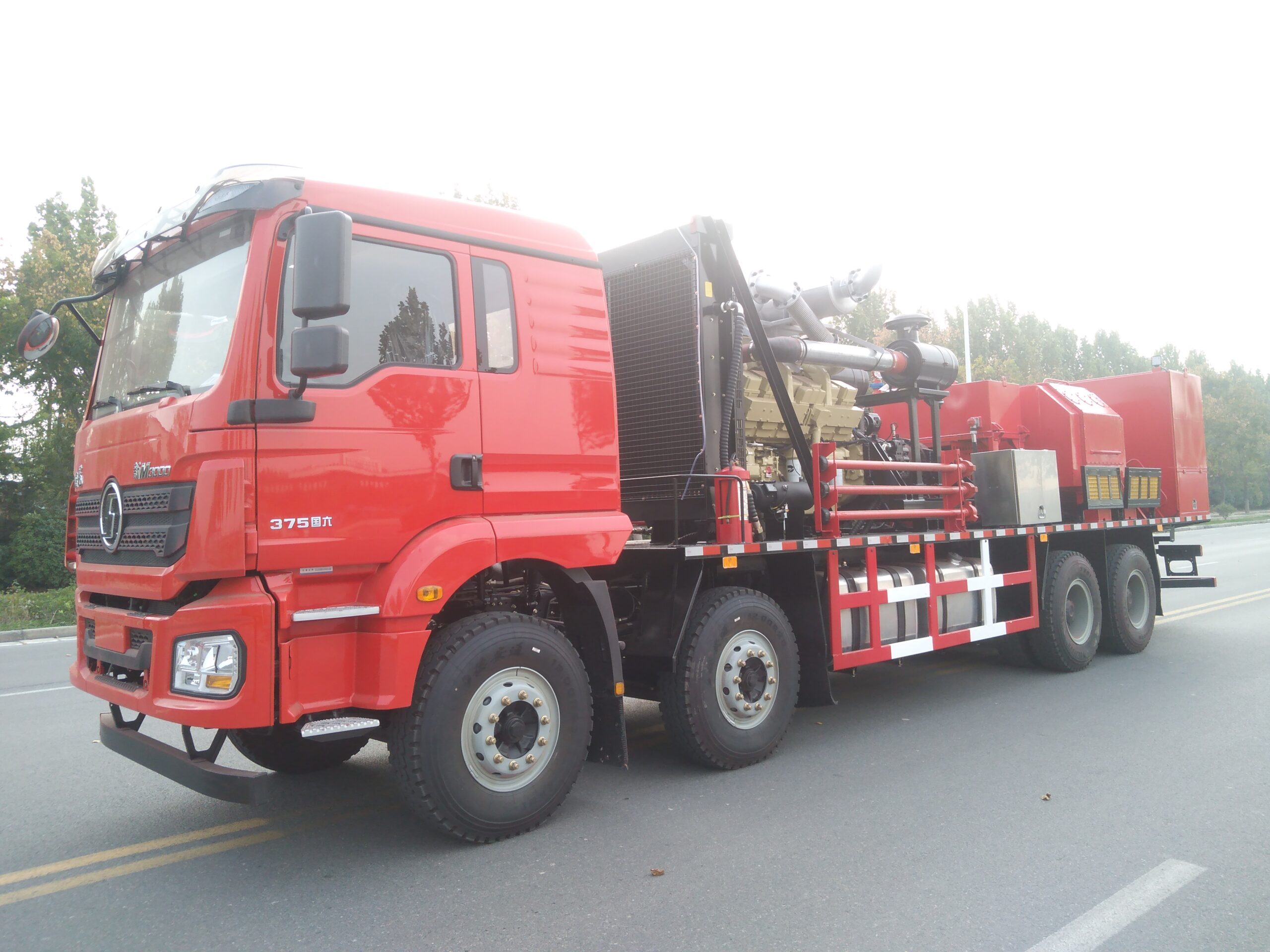
Plot driver and driven speeds
Obtain the engine or motor operating range and the pump or drawworks speed requirements. Calculate the resulting output speed for the proposed ratio. A ratio that reaches the maximum target may perform poorly at another important point. Include the actual duty duration and transient requirements rather than selecting only from rated input power.
Review torque and service loading
Lower output speed can correspond to higher torque, subject to efficiency and equipment limits. Check continuous and peak ratings, shock loading and the supplier’s service-factor basis. The same input power can place different demands on shafts and couplings at different speeds. Request a review of the complete driveline and any torsional concerns for the selected driver and load.
Check lubrication and thermal capacity
Mechanical power capacity is not the only limit. Cooling, lubrication and mounting orientation can affect suitability for sustained service. Provide ambient conditions and the available cooling arrangement. Confirm rotation direction, shaft interfaces and alignment requirements on the final drawing. A matching bolt pattern does not establish that the gearbox is suitable for the intended pump duty.
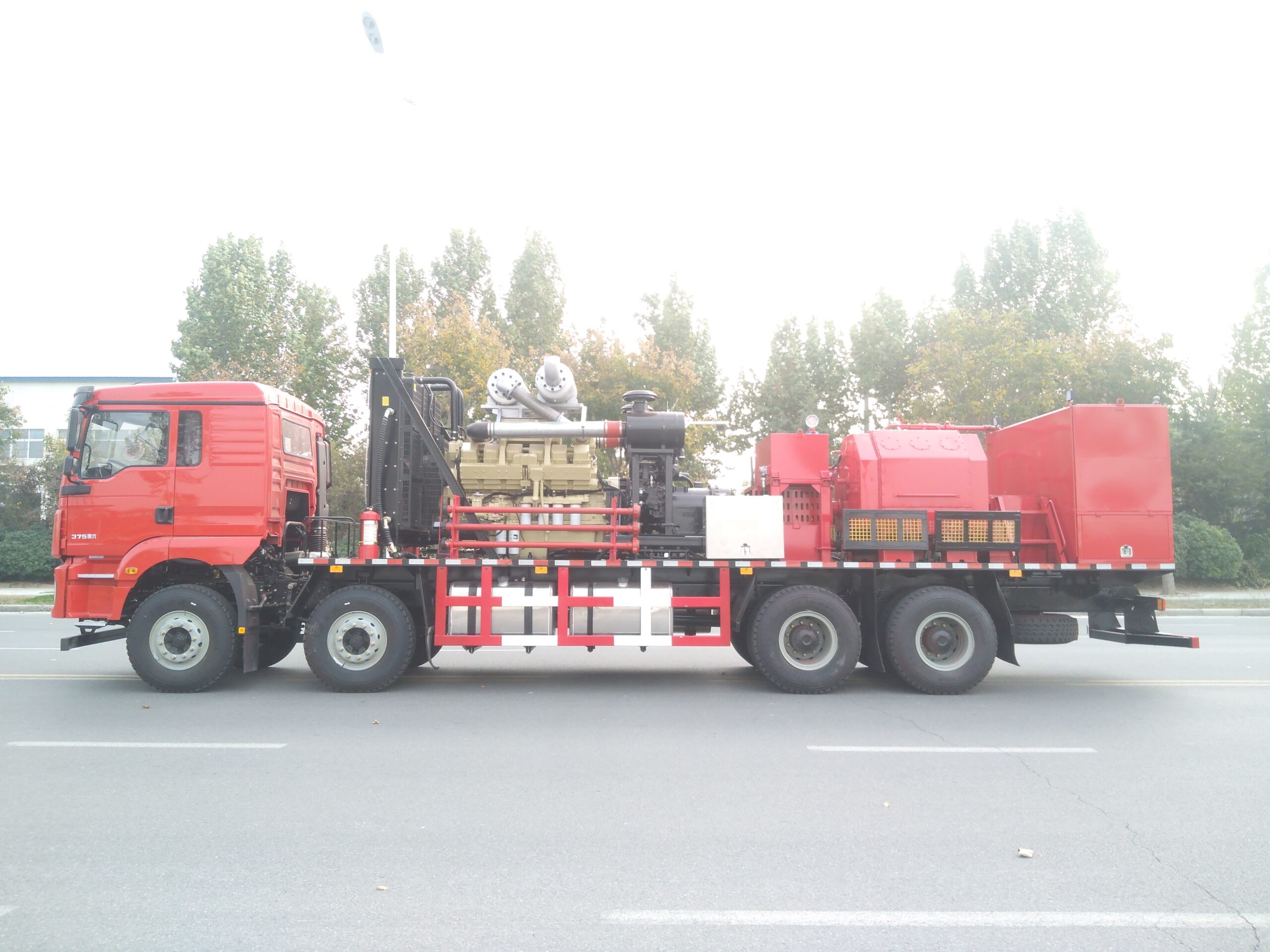
Evidence to collect for this decision
| Condition | Review action | Useful evidence |
|---|---|---|
| Low output speed | Check resulting torque | Driver curve and selected ratio |
| Shock or cyclic load | Review service-factor basis | Load cycle and driveline assessment |
| Sustained high load | Verify thermal rating | Cooling and lubrication data |
Keep these observations with the equipment reference and operating conditions. When comparing proposals or service findings, check that each record describes the same configuration and duty. Resolve missing inputs with the responsible engineer before treating an estimate as an accepted operating limit.
Evaluate the complete driveline rather than one rating
A drive selection connects the prime mover, coupling, gearbox and driven machine at the speeds and loads required by the work. Record steady duty, starts, reversals where applicable and transient loads. Keep the source of each load estimate visible. A component that is adequate for a steady laboratory point may have a different limit under cyclic or shock loading, so the supplier should assess the real load history.
The final review should reconcile mechanical fit, rotation, alignment, lubrication, cooling and access. Request the drawings and rating basis for the offered revision, not just a similar catalogue unit. Document approved changes to the input or output arrangement because they may affect loads or service requirements elsewhere. After installation or major work, use the agreed verification procedure and retain baseline temperature, vibration and lubrication observations for future condition assessment. Those records help distinguish a changed operating duty from developing wear.
Apply the review to the offered oilfield transmission box
Specify driver speed and power alongside driven-machine torque and speed. Add the actual duty cycle, shaft arrangement and cooling conditions. Interchangeability requires agreement on these operating and physical interfaces, not merely a matching nominal input horsepower.
- Input power and speed: record the project range and identify whether the value is measured, calculated or still provisional.
- Required output ratio: state the accepted limit and the equipment or process boundary to which it applies.
- Continuous and peak torque: include variation through the job instead of relying only on the normal operating value.
- Shaft arrangement: identify the responsible supplier or site team and the evidence needed before acceptance.
- Ambient and shock loading: review the case that governs this requirement and retain its basis with the equipment records.
The complete package is intended for transmitting high torque between engines, pumps, drawworks and other heavy oilfield machinery. Confirm the scope of the hardened gear train, input and output shaft assemblies, forced-lubrication system, bearing and temperature monitoring against the selected duty. Use the specifications and sizing guide for the broader equipment requirements and the RFQ checklist to organize the supporting documents.
Questions about this equipment decision
Can an oilfield gearbox be selected using horsepower alone?
No. Ratio, torque, load cycle, thermal capacity and shaft interfaces are also necessary for a valid selection.
What information helps review this oilfield transmission box requirement?
Provide driver curve and selected ratio; load cycle and driveline assessment; cooling and lubrication data, together with the installed equipment identification and the proposed operating conditions.
References and project support
API standards program provides additional background. For the equipment range and company information, visit Vance Petroleum. Share the relevant duty and records when requesting a project-specific review.