Commercial evaluation
Oilfield Transmission Box Manufacturer Guide
Evaluate an oilfield transmission box manufacturer using engineering, quality, testing, documentation, customization and support criteria.
Read guide →Technical guidance for oilfield transmission box selection, procurement, factory testing, commissioning, field operation and lifecycle planning.
Use these guides to prepare a duty, compare proposals, plan inspection and commissioning, and organize reliable field operation.
Evaluate an oilfield transmission box manufacturer using engineering, quality, testing, documentation, customization and support criteria.
Read guide →
Compare oilfield transmission box prices using the same duty, shafts, couplings, oil system, inspection, documents, delivery and support boundary.
Read guide →
Understand oilfield transmission box price drivers, total landed cost, operating cost and the information suppliers need for an accurate quotation.
Read guide →
The operating data, site constraints, documentation and commercial boundaries buyers should define before requesting an oilfield transmission box quotation.
Read guide →An oilfield gearbox ratio must match the driver and driven equipment across the duty range, including torque and thermal limits.
Read guide →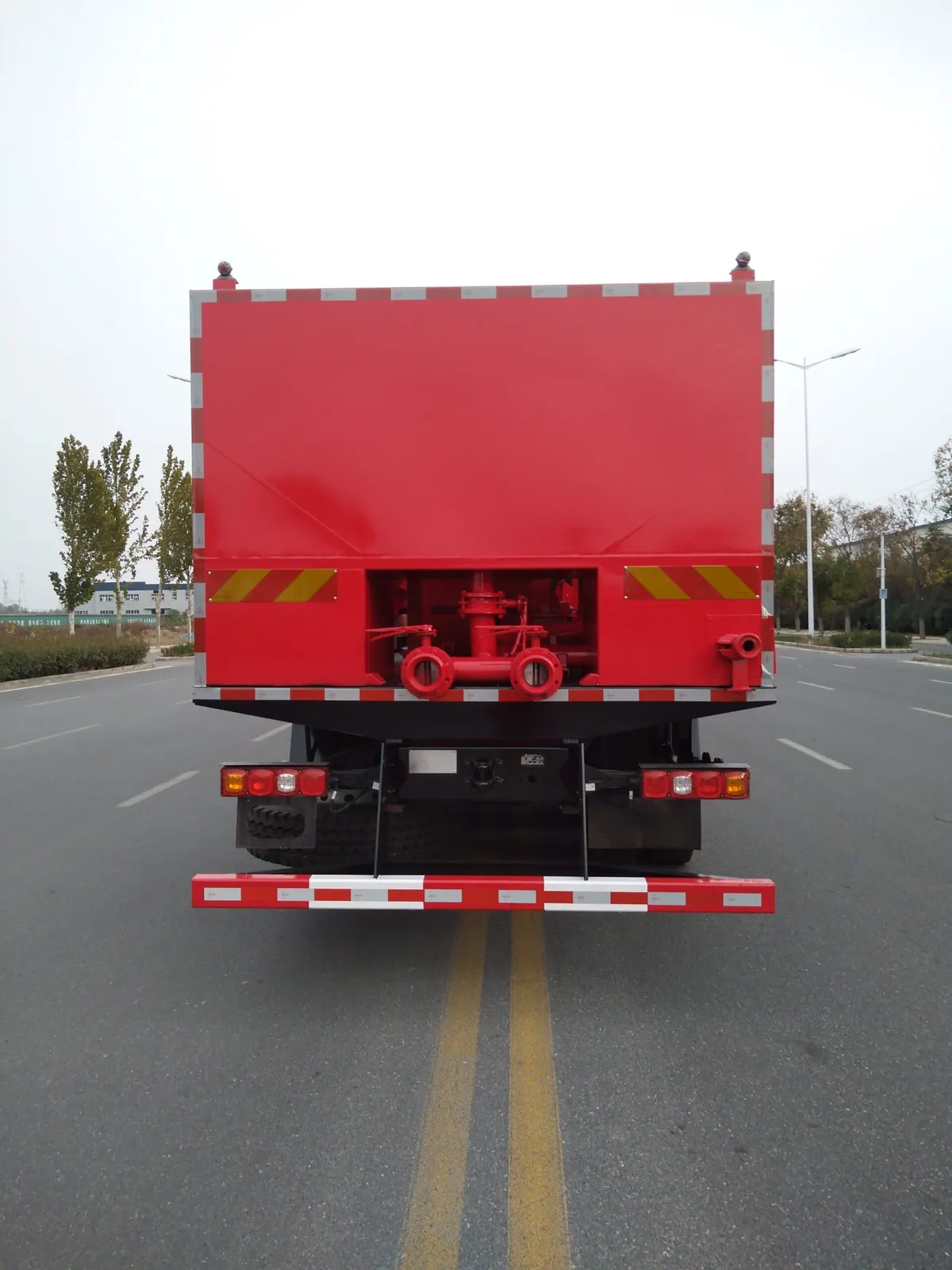
Plan Oilfield Transmission Box site readiness, mechanical and electrical interfaces, pre-start checks, functional tests, operator training and project handove
Read guide →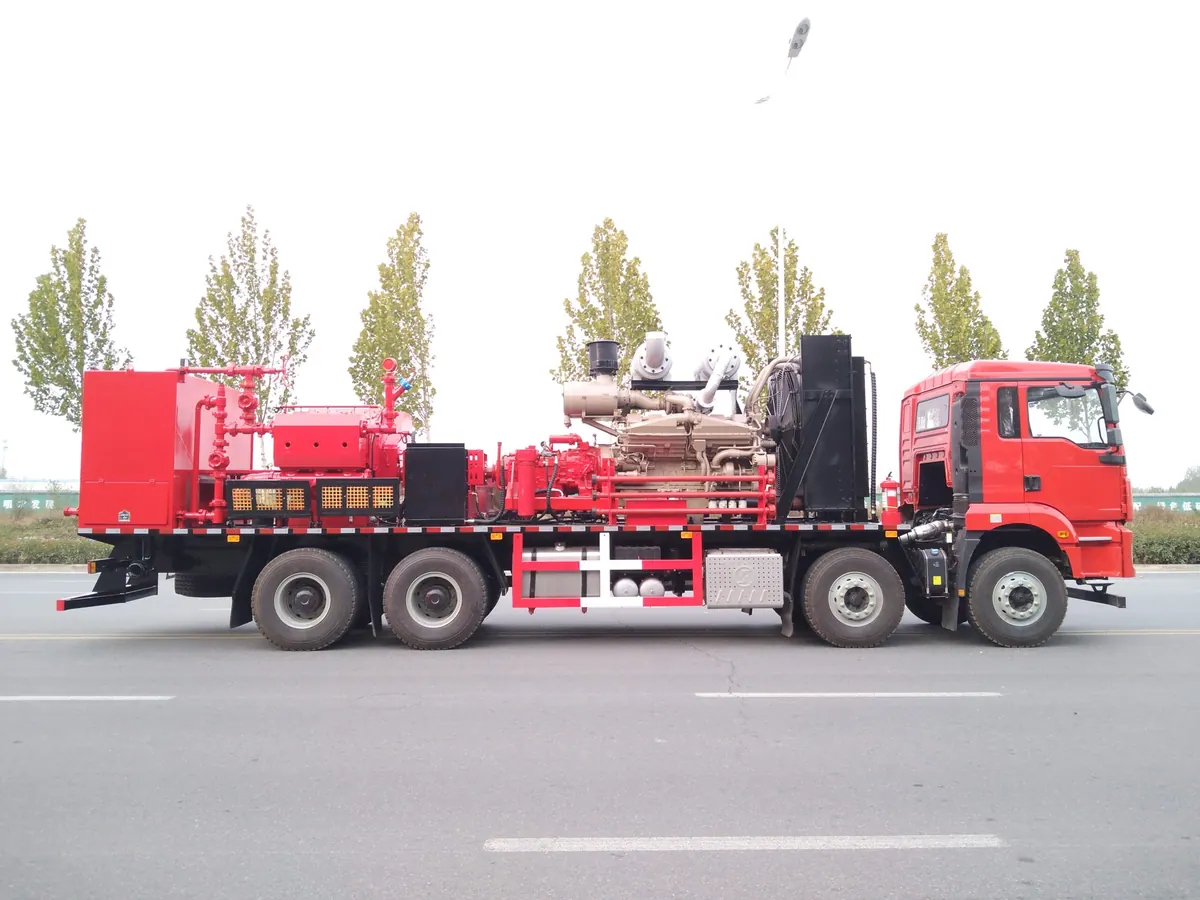
Use this Oilfield Transmission Box FAT framework to verify workmanship, controls, protection functions, documentation and agreed performance before shipment.
Read guide →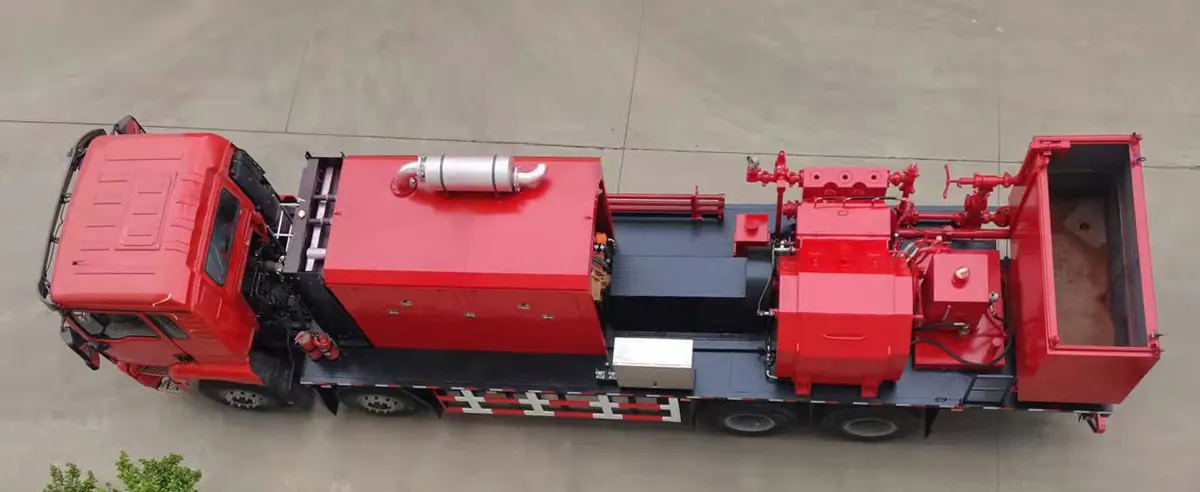
Prepare an oilfield transmission box job by confirming duty data, access, interfaces, crew responsibilities, permits and contingency actions before mobilization.
Read guide →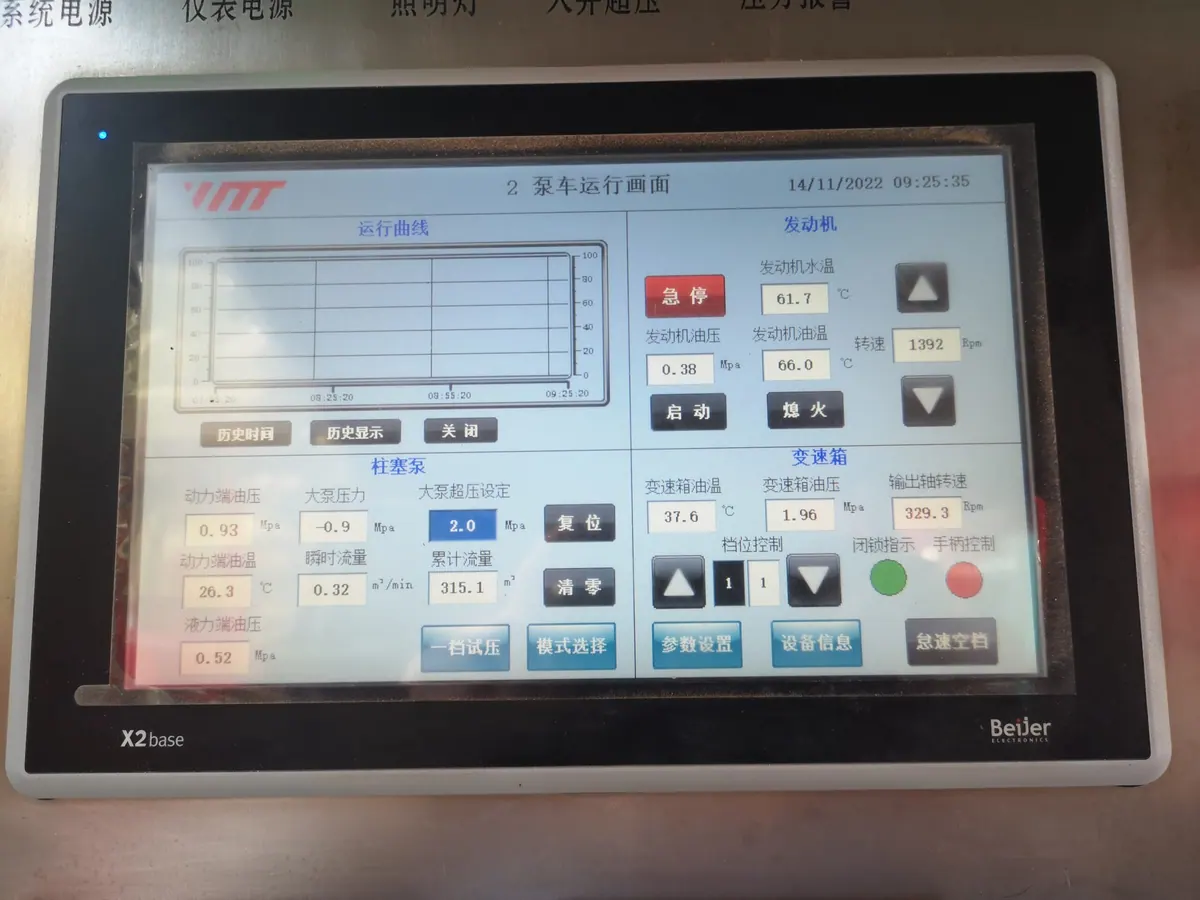
Specify Oilfield Transmission Box cold-weather, hot-climate, high-altitude and remote-site features using defined field conditions instead of a generic rating
Read guide →
Define oilfield transmission box alarms, trips, emergency shutdown, hazardous-area interfaces and verification records for the actual operating location.
Read guide →
Plan oilfield transmission box fuel, power, water, air, drainage, return handling and connection boundaries using a documented job duty and site survey.
Read guide →Define oilfield transmission engagement and shifting limits, command authority, feedback, permissives and acceptance evidence without assuming under-load capability.
Read guide →
Review oilfield transmission box process fluids, wetted materials, seals, temperature limits and cleaning requirements before approving a field configuration.
Read guide →
Compare Oilfield Transmission Box package configurations against the real operating envelope, field logistics, maintainability and lifecycle requirements.
Read guide →Learn how to size oilfield transmission box pressure, flow, capacity and auxiliary systems. Use this engineering checklist before requesting a quotation.
Read guide →See how an oilfield transmission box works, where it is used, which site interfaces matter and what operators should monitor during field service.
Read guide →Compare oilfield gearbox FAT offers by actual test load, speed, ratios, thermal conditions, measurements and the limits of a no-load factory demonstration.
Read guide →Specify oilfield gearbox inspection evidence for gear accuracy, materials, heat treatment and assembly, with defined standards, supplied parts and document scope.
Read guide →Define oilfield gearbox base-frame and alignment scope through supports, mounting interfaces, coupled equipment, site checks and final installation responsibilities.
Read guide →Confirm oilfield gearbox mounting orientation, approved inclination, oil-level references, ports, breathers and service access before accepting a layout change.
Read guide →Specify oilfield gearbox shaft ends, spline definitions, keys, mating couplings and retention details so component supply and interface verification are clear.
Read guide →Prepare replacement oilfield gearbox drawings covering mounting, shaft geometry, couplings, rotation, services and verified differences from the existing unit.
Read guide →Specify a torsional-review boundary for diesel-driven oilfield gearboxes, including connected equipment, coupling data, operating speeds and design responsibilities.
Read guide →Compare oilfield gearbox PTO and clutch options with simultaneous shaft loads, engagement duty, lubrication dependencies, supplied interfaces and excluded equipment.
Read guide →Specify an oilfield gearbox using continuous torque, peak events, load duration, starts and reversals so supplier ratings address the actual drive duty.
Read guide →Compare oilfield gearbox ratios through input-speed range, required output speeds, direction, operating limits and the complete usable gear schedule.
Read guide →Include oilfield gearbox external radial and axial loads, load position, coupling reactions and operating cases rather than selecting on transmitted torque alone.
Read guide →Define oilfield transmission rotation with shaft viewing references, ratio paths, reverse-duty limits and lubrication dependencies before approving the order.
Read guide →Define an oilfield gearbox lubrication package through operating states, oil requirements, pump drives, filtration, instruments and installation boundaries.
Read guide →Compare oilfield gearbox air-oil and water-oil cooling packages by actual heat duty, utility conditions, piping, maintenance access and failure dependencies.
Read guide →Compare oilfield gearbox mechanical and thermal limits using load, speed, ambient conditions, cooling resources and the complete installed oil-system scope.
Read guide →Specify oilfield gearbox transport and storage preservation with delivery condition, lubricant status, packaging, inspection responsibilities and documents.
Read guide →Compare oilfield gearbox seal and breather packages against dust, moisture, shaft conditions, oil compatibility, service access and documented construction.
Read guide →Specify oilfield gearbox campaign spares with configuration references, compatible seals and bearings, matched parts, tools, storage and supply boundaries.
Read guide →
Use this oilfield transmission box maintenance checklist to plan inspections, troubleshoot common symptoms and prepare critical spare parts.
Read guide →Build a practical oilfield transmission box operator training and daily inspection program around startup, normal duty, shutdown and abnormal conditions.
Read guide →