Establish the existing configuration and duty
Collect nameplate information, drawings, equipment records and the operating duty for the unit being replaced. Identify modifications made since its original supply. A familiar model designation may not describe the installed shaft, mounting or lubrication arrangement. Ask the responsible team to distinguish verified information from estimates taken in the field. The supplier should state what additional survey or documentation is needed before confirming fit or accepting a fixed replacement scope.
Use defined dimensions and reference surfaces
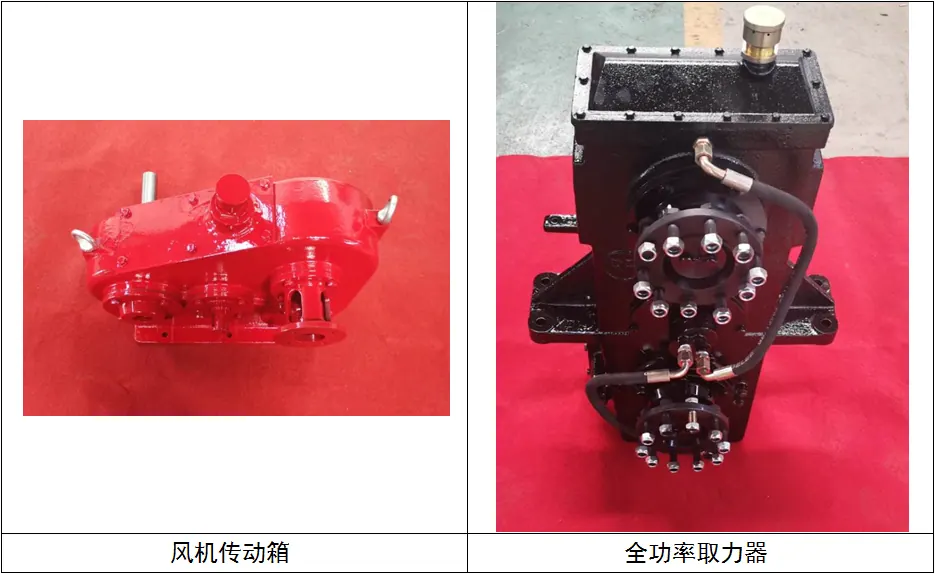
Provide the mounting arrangement, shaft center locations, overall envelope and connection details on controlled drawings. State units and datum references, with the tolerances required by the mating equipment where established by its designer. Photographs can assist identification but are not substitutes for dimensions. Include access and removal constraints at the installed location. A gearbox that fits the nominal base space may still conflict with a coupling, guard, pipe or service tool.
Review every power and auxiliary connection
Identify input, output and auxiliary shafts, their rotation references and the mating components. Include the lubrication, cooling, instrumentation and control connections required by the actual configuration. A replacement that matches the main shaft spacing can still require a different pump drive or control interface. Ask the bidder to mark each unchanged, modified or excluded connection. Keep the technical comparison tied to the installed system rather than a standalone gearbox envelope.
Require an explicit interchangeability statement
Ask the supplier to identify the features it has verified and the evidence supporting that conclusion. List deviations and proposed adapters with their effects on loads, alignment, guards and access for engineering review. Avoid a blanket direct-replacement description when critical dimensions remain unconfirmed. The purchase documents should distinguish an interchangeable unit from a functional alternative that requires installation changes, even if both can eventually serve the same driven-machine duty.
Control final drawings before manufacture
Establish an interface-approval milestone and responsibility for resolving survey gaps. If the supplier changes a purchased component or shaft detail, require the affected drawings and compatibility review to be updated. Retain the accepted revision with the order and inspection plan. This creates a usable basis for dimensional acceptance and site installation instead of leaving the meaning of replacement to be negotiated after fabrication, when corrections may disrupt the planned equipment outage.
Price the installation differences rather than hiding them
Normalize quotes for adapters, coupling changes, base modifications, oil-system alterations and site attendance where needed. Identify who designs, supplies and verifies each change. A lower gearbox price may still be commercially appropriate, but it should not be compared as a direct replacement if essential work remains outside the offer. Retain the verified unchanged interfaces and accepted deviations together so the maintenance team can plan the replacement with a complete drawing and responsibility package.
Put these items side by side in the bid review
| Purchase item | Question to resolve | Evidence to request |
|---|---|---|
| Existing unit | Which details are verified? | Survey and configuration record |
| Fit | Which mating interfaces change? | Dimensioned deviation schedule |
| Replacement scope | Interchangeable unit or adapted solution? | Accepted interface drawings |
Suggested wording for the quotation request
Quote the replacement gearbox against the attached verified interfaces and duty. Mark missing dimensions, differences, adapters and service changes. Distinguish confirmed interchangeability from functional alternatives, and identify the drawings and purchaser approvals required before manufacture.
Assess each option within the complete gearbox drive train: prime mover, transmission, couplings, driven equipment, mounting and supporting oil system. Preserve the accepted load schedule and interface drawings when comparing suppliers or approving changes. A component rating should not be treated as proof of the complete installed arrangement. Obtain configuration-specific documents from the responsible designers, and retain the agreed exclusions and verification records with the equipment order. Installation, shifting, testing and maintenance must follow approved equipment instructions and site procedures rather than a procurement comparison.
For the wider equipment scope, consult the Oilfield Transmission Box: RFQ Checklist. Use the RFQ checklist to collect the supporting documents before requesting a configuration-specific quotation.
Buyer questions
Can a photograph establish direct interchangeability?
No. Confirm dimensions, connections, duty and service interfaces using appropriate drawings and records.
Does an adapter automatically resolve a fit difference?
No. Its effects on loads, alignment, access and guarding require engineering review.
Background and supplier contact
Power transmission standards and technical publications offers related background, not certification of the equipment in a quotation. Applicability must be checked for the project and destination.
Explore the oilfield transmission box, browse all technical resources, or visit Vance Petroleum for company information. Request a gearbox proposal with the load schedule, interface drawings and required shaft speeds.