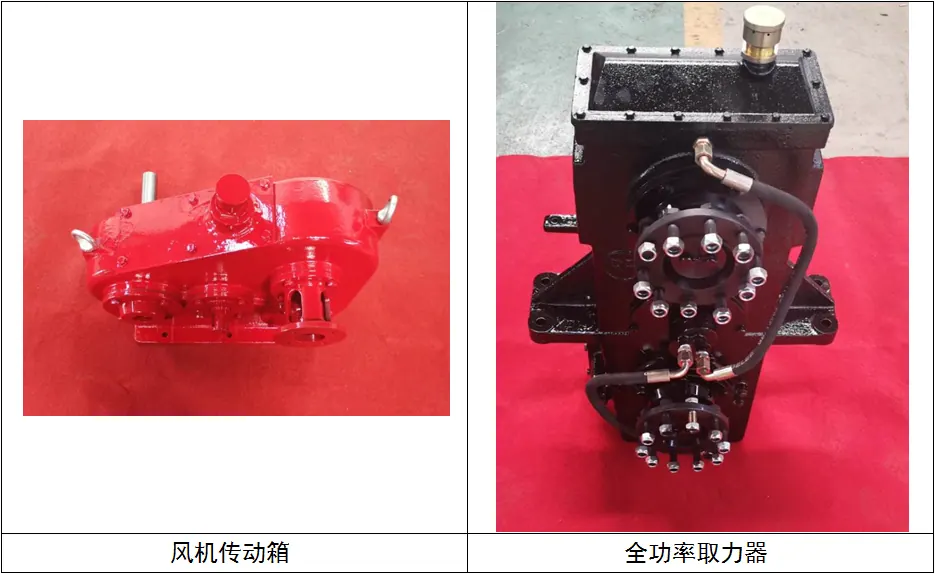
Show the installed orientation explicitly
Provide the mounting position, shaft arrangement and relevant inclination cases on a controlled drawing. Include mobile-equipment conditions established by the responsible rig designer where applicable. A shipping photograph does not define the approved operating orientation. Ask the manufacturer to identify the position for which the offered configuration has been selected and the restrictions attached to it. Retain that definition with the order so later layout changes do not silently alter the equipment basis.
Confirm the lubrication arrangement for that position
Ask the gearbox supplier to explain the oil distribution and supporting-system requirements of the selected orientation. Identify any changes in pump arrangement, internal distribution or other components required by an alternative position. Do not assume filling to a convenient opening establishes correct lubrication. Obtain the approved configuration and instructions from the manufacturer, with the proposed operating cases reviewed before accepting a rotated installation as a simple mechanical fit adjustment.
Locate the actual level and service references
Identify the applicable level indication, fill, drain, sample and vent connections for the ordered unit. Show their locations and access in the installation drawing. Unused housing openings should not be treated as interchangeable service points without manufacturer confirmation. Ask how the delivered markings and documents distinguish the correct references. This is especially important where similar gearboxes are ordered for different positions and a generic manual could be misapplied to the installed configuration.
Review breathers, seals and external connections
Ask which components must remain in specific locations or require additional routing in the proposed arrangement. Include access for oil service and removal of filters or other auxiliaries. A layout that preserves the main shafts can still obstruct a breather or move a vulnerable connection into an unsuitable location. Coordinate external piping and guards with the supplier rather than completing the installation around unconfirmed assumptions about the function of each housing port.
Control orientation changes through acceptance
Require final drawings and manufacturer identification to match the installed position. Agree which checks establish the delivered configuration and which site connections remain to be completed. If the project requests a change after manufacture, obtain its technical, cost and schedule effects before treating the original performance commitment as unchanged. The handover records should give the operating and maintenance teams a clear position-specific basis, not a collection of port labels from a different unit.
Distinguish transport restraints from operating arrangement
The position used for transport, storage or assembly may differ from the approved service position. Ask for documents that identify these conditions separately and state the work needed before installation or return to service. A unit that physically fits on its side is not necessarily configured to operate that way. The procurement comparison should include any oil-system changes, service access and external routing associated with the selected position, keeping those responsibilities visible before the layout is frozen.
Put these items side by side in the bid review
| Purchase item | Question to resolve | Evidence to request |
|---|---|---|
| Orientation | Which position and inclinations are approved? | Accepted arrangement drawing |
| Oil references | Which ports apply to this unit? | Position-specific service diagram |
| Changes | What is required for another position? | Manufacturer configuration review |
Suggested wording for the quotation request
Confirm the gearbox configuration for the attached mounting position and inclination cases. Identify the applicable oil arrangement, level references, ports, breathers and access requirements. State modifications needed for alternative orientations and provide position-specific delivered markings and instructions.
Assess each option within the complete gearbox drive train: prime mover, transmission, couplings, driven equipment, mounting and supporting oil system. Preserve the accepted load schedule and interface drawings when comparing suppliers or approving changes. A component rating should not be treated as proof of the complete installed arrangement. Obtain configuration-specific documents from the responsible designers, and retain the agreed exclusions and verification records with the equipment order. Installation, shifting, testing and maintenance must follow approved equipment instructions and site procedures rather than a procurement comparison.
For the wider equipment scope, consult the Oilfield Transmission Box: Pre-Job Checklist. Use the RFQ checklist to collect the supporting documents before requesting a configuration-specific quotation.
Buyer questions
Can a gearbox be rotated without further review if the shafts still fit?
No. Confirm lubrication, service references and supporting components for the proposed position.
Are all housing openings interchangeable fill or drain points?
Do not assume so. Use the manufacturer references for the actual ordered configuration.
Background and supplier contact
Gear-unit lubricant selection background offers related background, not certification of the equipment in a quotation. Applicability must be checked for the project and destination.
Explore the oilfield transmission box, browse all technical resources, or visit Vance Petroleum for company information. Request a gearbox proposal with the load schedule, interface drawings and required shaft speeds.